samling
first collection [documenting] of materials ## snc 16071.1
now alltogether

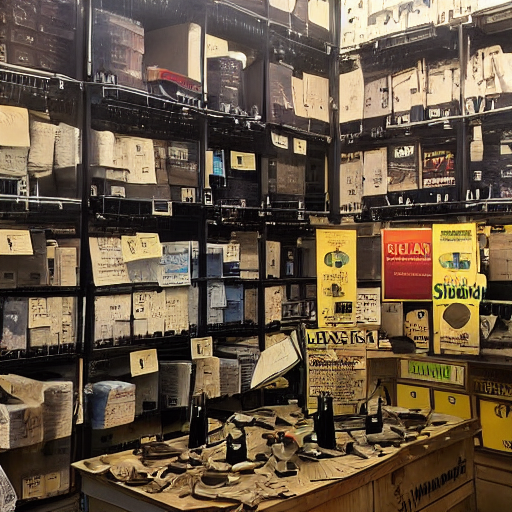
Q on bricolage
Bricoleurs adopt a distinctive approach to their tasks. They first review their already existing set of tools and materials to see what might be useful in the context of some present problem. This suggests several things about the modus operandi of bricoleurs. First, they do not consider a project and then ask what tools and materials are required for its completion. Rather, they review the materials they have at hand and ask how they might be used to complete, or approximately complete, the project. There is a fixed pool of materials. An understanding of the nature of the project does not motivate the bricoleur to acquire new materials. It is the possible uses of materials presently at hand that determine the degree to which the project is completed.
Second, a bricoleur’s means are collected not with some particular use in mind but in the hope that they might turn out to be useful. Levi Strauss makes the point of saying the bricoleur works within a closed universe and that the “rules of his game are always to make do with whatever is at hand” (1974:17).
Third, the bricoleur’s means are determined on the basis of past experiences and are heterogenous and finite. Heterogeneity of means arises from the fact that each element is open to a variety of uses and allows the bricoleur to function without “the equipment and knowledge of all trades and professions” (Levi-Strauss 1974:18). The individual means at the disposal of tradespersons and professionals, by contrast, tend “to have one definite and determinate use” (Levi-Strauss 1974:18)
Q: Hatton (1989)